If you ask ten people how long their Botox results last, you will hear everything from two months to half a year. They are all telling the truth from their own experience. Botox is reliable, yet it lives in a very human body with variable metabolism, muscle strength, skin condition, and habits. Planning a smart maintenance schedule means understanding what Botox does, how your anatomy and lifestyle affect its longevity, and what to adjust as time passes.
I have treated patients who prefer the “always on” look, coming in like clockwork before any line returns, and others who wait for movement to reappear, then top up. Both approaches work. The right cadence comes from your goals, your baseline muscle activity, and how your face responds over the first two to three sessions.
A quick, practical refresher on how Botox works
Botox is a neuromodulator. In plain terms, it temporarily blocks the release of acetylcholine at the neuromuscular junction, which reduces muscle contractions. In cosmetic use, less movement softens dynamic wrinkles such as forehead lines, frown lines between the brows, and crow’s feet around the eyes. In therapeutic use, it can relax masseter muscles for jaw clenching, calm the platysma for neck bands, reduce excessive sweating in the underarms and palms, and help prevent chronic migraines.
Onset is not instant. Most people feel the effect begin around day 3 to 5, with a full peak at day 10 to 14. This is when you judge symmetry, brow position, and whether the dose matched your muscle strength. After the peak, the effect stabilizes for weeks, then gradually wanes as your nerve endings sprout new receptors and reconnect. You do not suddenly “lose” your Botox. Movement returns little by little.
The typical maintenance timeline
For most cosmetic areas on the face, the average maintenance window is 3 to 4 months. Some people stretch to 5 or 6 months. A few need a touch sooner, closer to 10 weeks. Early sessions often wear off slightly faster since your muscles are still strong. With consistent treatments, many patients notice that lines soften at rest and dosing can sometimes be maintained or even reduced.
Here is how that looks across common areas:
Forehead and frown lines. Glabellar frown lines tend to last 3 to 4 months. Forehead lines vary more because over-treating can drop the brow. When balanced correctly, you should get about 3 months of softened movement with a natural lift.
Crow’s feet. The lateral orbicularis responds well and often lasts 3 to 4 months. People who smile a lot or have thin skin may see earlier return of fine lines.
Brow lift and hooded eyes. Subtle brow elevation using frontalis and brow depressor patterns typically holds 2.5 to 4 months, with lighter dosing to avoid a heavy lid. Expect to maintain a slightly shorter interval if you like a consistent lift.
Bunny lines, lip flip, gummy smile, and chin dimpling. These small, expressive areas often cycle faster, around 2 to 3 months. Micro movements come back first, and small top-ups can keep results fresh.
Neck and platysma bands. The neck is powerful and constantly in use, so 3 months is typical. If you exercise intensely or have strong banding, plan on that 12-week cadence.
Masseter for jaw clenching and face slimming. For TMJ symptoms and jaw clenching, comfort often builds over several cycles. The first session frequently feels strongest at 6 to 8 weeks and still meaningful up to 3 or 4 months. For facial slimming, the visible contour change is cumulative and often looks best after two to three rounds spaced 3 to 4 months apart, then maintenance every 4 to 6 months depending on your goals.
Hyperhidrosis in the underarms, palms, or feet. Here Botox does not fade as quickly. Underarm sweating reduction can last 4 to 9 months, sometimes longer. Palms and soles are more variable, often closer to 4 to 6 months.
Migraine prevention. The FDA-approved chronic migraine protocol uses a specific pattern every 12 weeks. Patients who deviate from that routine often notice an uptick in headache days. If you are using Botox for migraine or neck pain, stick to the 12-week rhythm unless your neurologist adjusts it.
Trapezius or calf reduction. These larger muscle groups may need an initial series every 3 to 4 months to reach the desired contour, then 4 to 6 month maintenance once the muscle has thinned.
What determines your schedule besides the calendar
Dose and dilution matter, but not as much as people think. More units are not always better. Correct placement, balanced muscle pairs, and a dose aligned with your goals drive natural results and longevity.
Your baseline muscle strength sets the tone. A strong corrugator or masseter will chew through lighter dosing faster. If your injector observes deep etched lines or visible muscle bulk at rest, expect to start with a higher dose or shorter interval.
Metabolism and lifestyle play a real role. Endurance athletes, those who do high-intensity training several times a week, and people with faster metabolisms sometimes report shorter longevity by a few weeks. Stress elevates facial tension in many of us. If you are in a grinding season at work, brow furrows tend to come back sooner.
Your skin quality matters. Botox relaxes movement, but it does not fill. If your sudbury botox skin is thin, creased, or sun damaged, the lines etched at rest will improve, yet may remain visible even with exquisite dosing. These patients often benefit from pairing Botox with dermal fillers, biostimulators, microneedling, or laser resurfacing to remodel static lines. Softening the canvas helps each round of Botox look better and can delay how soon you feel you need a touch-up.
Finally, your aesthetic preference is a big variable. Some clients want to see zero movement. Others prefer some animation, just without the deep creases. The more expressive you choose to be, the more often you will return to keep lines from printing into the skin.
How to set your first year plan
If you are new to treatment, plan a year Sudbury botox specialists in quarters. Your first visit sets the dose map. Book a two-week check to assess peak effect and correct any asymmetry. Then watch for the first signs of return, which might be a vertical line between the brows, a hint of forehead lift, or crow’s feet catching makeup. Note the week number on your phone the day you notice it. This becomes your personal clock.
Most first-time Botox patients do well with repeat visits at 12 to 16 weeks for the first two or three sessions. After that, you might stay at 12 weeks or stretch to 16 or 20 weeks if the results hold.
With masseter treatment for jaw clenching, I often start at three-month intervals for two rounds, then reassess. If chewing strength and pain stay improved, we can space out to every 4 to 6 months. If you are seeking jawline contour or a slimmer face, the visible change usually builds by month 4 to 6 and looks best after the second or third session.
If you are making a brow lift your primary goal, we keep the forehead dose conservative to protect lift, and we tune the depressors along the brow tail. These patterns last well but can lose the lift a bit sooner than the line-softening effect, so many patients like to return closer to the 3-month mark.
Baby Botox, Micro Botox, and the maintenance tradeoffs
Lighter dosing strategies such as Baby Botox and Micro Botox have distinct benefits. They preserve expression, limit heaviness in the forehead, and are popular for first time Botox or those prioritizing natural results. The tradeoff is longevity. Lighter dosing often means a shorter interval by a few weeks. For patients who value subtlety above all, that is acceptable. For those watching cost, a standard dose at a slightly longer interval may be more efficient.
Micro Botox, sometimes placed more superficially, can also improve the look of large pores and oily skin by reducing sweat and sebum at the top of the dermis. Results are nuanced and typically last 2 to 3 months. It is a nice option before an event or as part of a seasonal skin-refresh plan.
How combined treatments influence timing
Botox addresses dynamic lines. Dermal fillers replace volume and lift. When you combine them, especially in the midface or temples, the face often needs less compensatory muscle recruitment. Smiles look the same, just supported. This synergy can make Botox feel like it lasts longer, even if the pharmacology is unchanged.
Skin treatments that improve elasticity, such as fractional laser, radiofrequency microneedling, or biostimulators, reduce the tendency of skin to crease under movement. That does not extend the life of each injection directly, but it stretches the time before etched lines reassert themselves. Many of my long-term patients alternate quarters, using Botox and a small filler touch in one quarter, then energy-based skin tightening or resurfacing in the next, with Botox maintenance steady at 12 to 16 weeks.
Safety, spacing, and the myth of “resistance”
People worry about developing resistance if they get Botox too often. True antibody-mediated resistance to onabotulinumtoxinA is rare with cosmetic dosing. What looks like resistance is usually underdosing, suboptimal placement, or a strong muscle overcoming a conservative plan. Another culprit is irregular timing that lets the muscle return to full strength, so you go from strong baseline to strong baseline each visit.
Spacing injections at a minimum of 10 to 12 weeks for facial areas is sensible and aligns with how the nerve recovers. The migraine protocol is fixed at 12 weeks for a reason. If you feel your treatment fades after two months consistently, do not chase it by scheduling at eight weeks without reassessment. Talk with your provider about dose, pattern, and goals. Adjustments, not just timing, solve most issues.
Side effects are typically mild: a day or two of tenderness at the injection site, a small bruise, a tight or heavy feeling as you settle over the first week. Brow heaviness often means too much forehead dosing relative to the brow depressors or a dose sitting too low. A dropped eyelid, while uncommon, can occur if product diffuses into the levator. Good technique and aftercare reduce that risk. Avoid massage of treated areas, keep your head upright for several hours, and skip hot yoga or intense workouts the day of treatment.
Cost and how to budget for maintenance
Prices vary by region, provider training, and whether you pay per unit or per area. In the United States, unit prices commonly range from 10 to 20 dollars. Typical dosing for a full upper face treatment might be 40 to 64 units split among frown lines, forehead lines, and crow’s feet, but it is not unusual to need less or more based on muscle strength and desired look. Smaller areas like a lip flip or bunny lines use fewer units and cost less, though they often need more frequent touch-ups. Hyperhidrosis uses higher doses and costs more upfront, yet the longer duration can make it cost effective across the year.
If you are building a yearly plan, estimate your preferred cadence and multiply by the expected dose. For example, a common 48 unit upper face pattern at 13 dollars per unit done every 3.5 months would place you around four visits a year. Some practices offer Botox specials or loyalty programs that help with maintenance. Cost should never push you to unsafe shortcuts. Prioritize a certified Botox provider, ideally a board certified dermatologist, facial plastic surgeon, or an experienced Botox nurse injector who treats these patterns daily.
What to watch between visits
The best maintenance schedule is responsive rather than rigid. With a few simple observations, you can time your returns well and avoid peaks and valleys.
- Note the first day you feel movement return in your main concern area. That is your personal wear-off clock. Assess symmetry at two weeks after each session. If one brow or eye crinkles earlier, mention it next time to fine-tune dosing. Track lifestyle changes. Heavy training cycles or high stress periods often bring you in a bit earlier. Watch how your skin looks at rest. If lines are etched even when movement is minimal, consider adding skin treatments or a small filler plan. Plan around life events. If a wedding or photoshoot is coming, schedule 2 to 3 weeks ahead so you are at peak effect.
Area by area: what is realistic
Forehead and frown lines. Expect 3 to 4 months for most. Heavier foreheads in men or people with strong frown muscles may prefer a 3 month schedule. Subtle results lovers who keep the forehead dose light may notice return at 10 to 12 weeks.
Crow’s feet. Usually 3 months, sometimes 4. If you squint in bright light daily or laugh easily, aim for 12 weeks.
Brow lift. If lift is the priority, stay closer to the 12 week interval to keep brow position consistent.
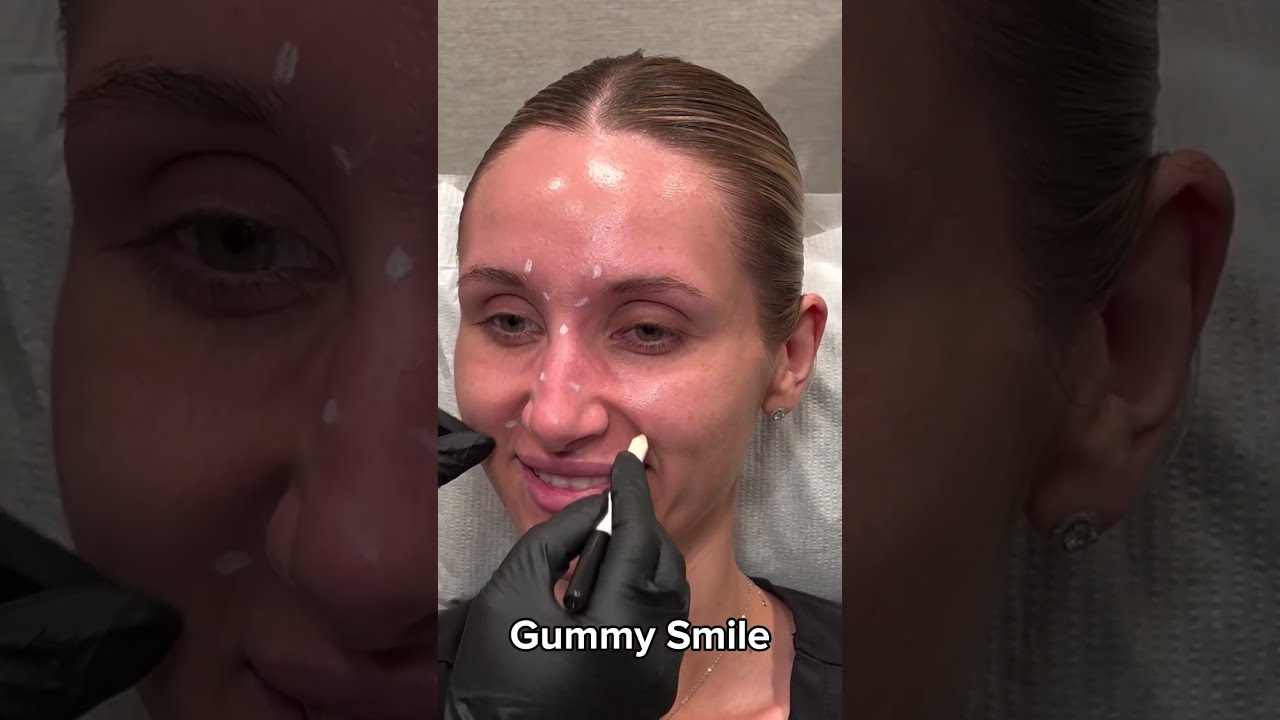
Lip flip and gummy smile. Think 6 to 10 weeks for a refined edge and less gum show. A tiny top-up can be done quickly.
Pebble chin and chin dimpling. Typically 2.5 to 3 months. Strong mentalis muscles rebound sooner.
Bunny lines. Often 2.5 to 3 months. They are expressive and reappear early.
Neck bands. Plan about 3 months, more frequent if banding is pronounced.
Masseter for TMJ and jaw slimming. Start at 3 months for two rounds, then 4 to 6 months maintenance if comfort and contour hold.
Underarm hyperhidrosis. Many enjoy 4 to 7 months of dryness, sometimes more. Palmar or plantar sweating tends to sit 4 to 6 months.
Migraine protocol. Keep to the 12 week cycle unless your treating clinician advises otherwise.
Botox vs filler for maintenance
Botox and dermal fillers solve different problems. Botox for wrinkles addresses motion. Fillers restore structure. People often ask if filler will let them do less Botox. It can, indirectly. By restoring cheek support or temple volume, the forehead does not have to work as hard to lift, so you may need less forehead dosing. For etched lines that remain while you are still, a small amount of filler or skin resurfacing makes the Botox look better and last more gracefully. If budget allows, pairing the two conservatively, timed a couple of weeks apart, delivers steadier results across the year than leaning too hard on one tool.
First time Botox: what to expect in the first month
Day of treatment. Small blebs at injection points fade in 15 to 30 minutes. A faint headache is possible later that day. Skip strenuous workouts and saunas until tomorrow.
Days 3 to 5. Early softening begins. Animations start to feel smoother, like the volume turned down a notch.
Day 7. Most people are clearly “in.” You will see that you still look like you, just less creased.
Day 14. Peak effect. This is the day to judge balance, brow position, and whether you want a hair more or less in the future. Photos help for your personal before and after.
Weeks 6 to 10. Everything feels normal and easy. Makeup sits better. Lines at rest often look flatter.
Weeks 10 to 14. Movement starts to return. Some people love this window because expression warms up while lines remain softer. If you prefer a consistently smooth look, schedule your next visit now.
Special scenarios and edge cases
Heavy eyelids or hooded eyes. Over-treating the forehead can drop the brow and crowd the eyelid. Strategy matters more than dose. Treat the brow depressors, keep forehead units conservative and a touch higher, and accept a slightly shorter interval in exchange for openness.
Thin, crepey skin around the eyes. Botox will smooth motion, but the skin texture needs its own plan. Consider fractional laser or RF microneedling once or twice a year with steady crow’s feet maintenance every 3 months. Small, precise dosing avoids a frozen smile.
Square jaw goals vs TMJ relief. Aesthetic jaw slimming often requires higher masseter dosing and a few rounds to thin the muscle. TMJ relief might be achieved with moderate dosing focused on pain points. Communicate your priority so the pattern fits the purpose.
Athletes and very expressive communicators. You may never love a 4 month gap if you live in your face or train hard daily. A lighter dose at 10 to 12 weeks can look better and feel more natural than pushing for longer durations that swing from frozen to active.
Hyperhidrosis in the hands and feet. Effective but sensitive. Expect a more intense injection experience and budget for a 4 to 6 month interval. The relief can be life changing for keyboard use, handshakes, or sandal season.
How to choose the right provider and protect your results
The injector’s eye, not just the needle, determines your outcome. A certified Botox provider who treats faces all day understands patterns, asymmetry, and aging changes. Ask how they approach conservative dosing, how they handle brow heaviness, and whether they offer a two-week follow-up. That conversation tells you more than any billboard touting “Best Botox” or “Top rated Botox.”
Do not shop by price alone. Affordable Botox is possible at reputable clinics that run periodic Botox deals, but chronically low prices can signal diluted product, rushed appointments, or inexperienced injectors. Your face and neck deserve better.
Aftercare is simple and important. Keep your head elevated for several hours, avoid pressing on treated areas, and skip facials, helmets, tight beanies, or vigorous massage that day. Resume normal life the next morning.
Putting it all together: a simple, flexible plan
Think of your Botox maintenance like dental cleanings, but customized. For most cosmetic patterns, schedule every 12 to 16 weeks your first year, track your wear-off, then stretch only if your results stay where you like them. For masseter, plan two sessions 3 months apart, then reassess for 4 to 6 month spacing. For hyperhidrosis, expect 4 to 7 months of relief. For migraine, stick to 12 weeks.
If you want subtle Botox, lighter dosing will feel right, just accept that you will return a bit sooner. If your focus is longevity and line prevention, standard dosing with precise placement will carry you further. Pair with skin work when static lines persist. You will spend less effort chasing perfect timing and more time simply looking rested.
The goal of Botox therapy is not to erase your personality. It is to quiet the overactive signals that crease and tire your face, neck, or jaw. Set a schedule that respects your biology and your calendar, and keep the conversation open with your injector. When the plan fits, maintenance feels easy, results look natural, and you never have to wonder how often to go. You will already know.